Singapore, Malaysia, Regional, Indonesia, Blog
Beyond Speed: The True TCO & Hidden Hurdles of Modular Power in Southeast Asia
10 November 2025

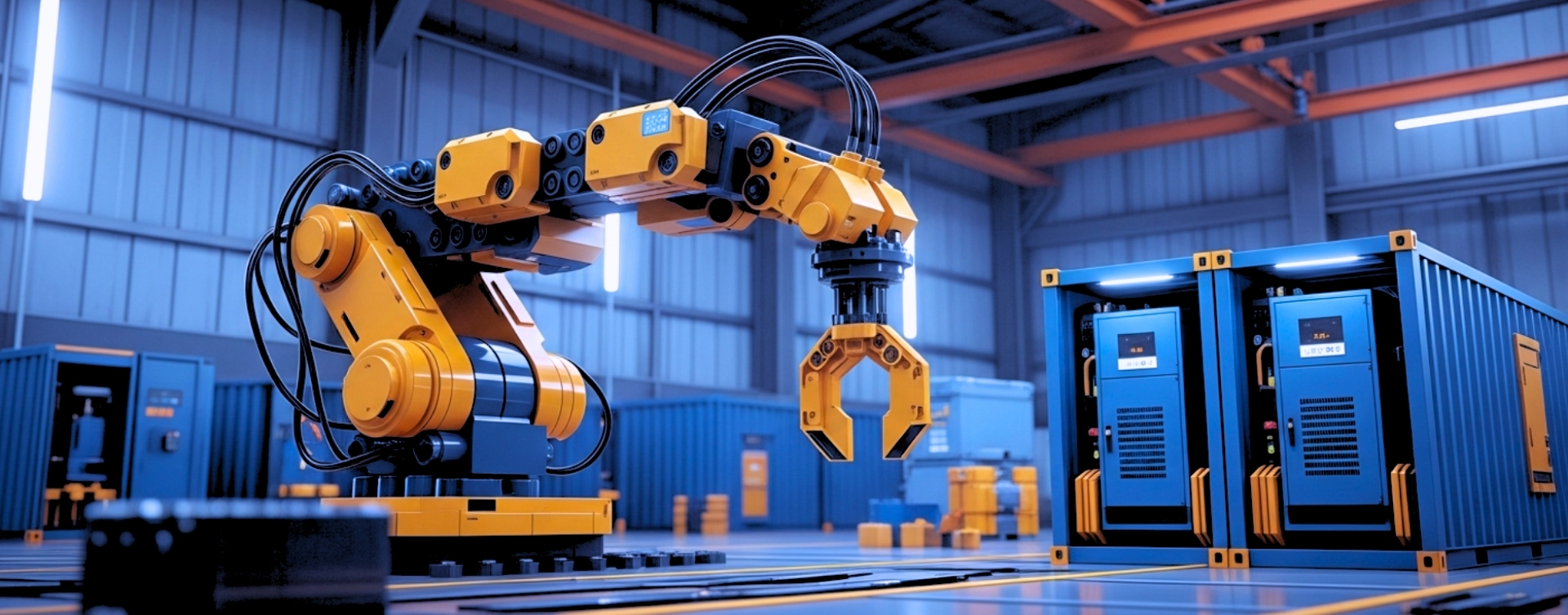
- Speed is just the start. The real win is Total Cost of Ownership (TCO) after year three.
- Projects fail on four basics: Design, Engineering, Compliance, Safety.
- The multiplier is Total Systems Integration —ICD + SoO + one-line/comms map + FAT/SAT that everyone signs before fabrication.
We all see what’s happening in Southeast Asia.
Electricity demand across the region is set to climb steadily for years, as fast-growing economies electrify industry, cooling, and mobility. Analysts expect ASEAN power demand to keep rising at roughly 4% a year in the near term — a structurally high baseline that compounds into a much bigger grid by the 2030s. (IEA)
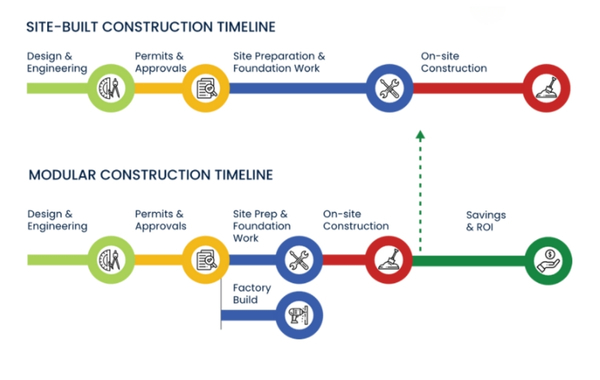
To meet this demand, the old "stick-built" construction model is simply too slow and too risky. Such growth demands not only require more power but also a smarter power infrastructure that can adapt to evolving needs. This is where modular power solutions stand out as a beacon of innovation. With factory-built, tested sub-systems, it serves dense urban sites and remote facilities alike.
Last year, we covered the basics—why modular delivers speed, quality and safety through a prefabricated, factory-tested approach. If you missed that, you can read that post here.
This year, the conversation has changed.
Most teams now accept the deployment gains. But speed is only the beginning. The game-changer isn’t shaving days off construction; it’s the total financial and operational value delivered across the whole life of the asset.
In a world focused on sustainability and ROI, the most pressing questions are no longer "Why modular?" but:
- What is the real TCO after year three?
- And what are the hidden hurdles that can destroy that value?
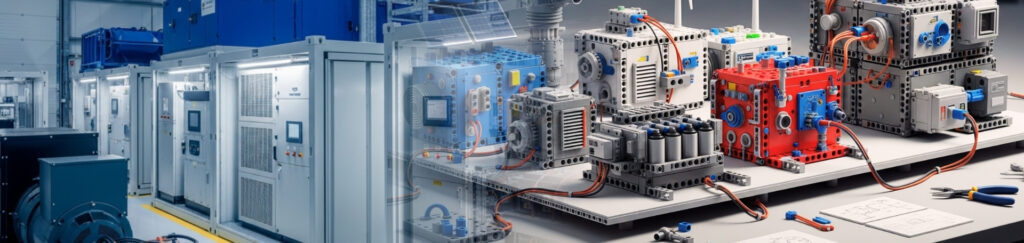
The Real TCO: What Happens After the Honeymoon
Speed saves you money on Day One.
A smart Total cost of ownership (TCO) strategy saves you money for the next 10-15 years. Beyond CapEx, the OpEx benefits of a properly engineered modular system become clear: fewer site works, fewer surprises and better energy performance.
TCO adds up acquisition costs, operating expenses, maintenance and end-of-life value. In modular power infrastructure, year three is when operational efficiencies begin to compound. Factory control reduces rework and on-site labour; standardisation cuts material waste; and tighter integration improves thermal and electrical efficiency.

Predictable Maintenance:
A factory-built, integrated system is a known quantity. Unlike a traditional build with 10 different contractors, you have one predictable performance model. This means fewer surprises, streamlined servicing, and a lower, more predictable maintenance budget.

Operational Efficiency:
TCO isn't just about maintenance; it's about power. A pre-engineered system, designed for its specific components, is inherently more efficient. Its thermal management, airflow, and power paths are optimised, meaning you spend less on energy to cool and run the system every single day.

Flexibility as a Financial Asset:
This is the most underrated part of TCO. A stick-built power room is a sunk cost. It’s inflexible. A modular system is a financial asset. As your business needs change, you can scale, add, or even relocate it. This agility—this "future-proofing"—has an immense, tangible value that a traditional TCO calculation often misses.
For example, in data-centre applications — a core use case for modular DRUPS and UPS — traditional builds are often oversized to hedge uncertainty, locking in excess cost and energy penalties. Modular designs can scale in step with demand and achieve better PUE through optimised integration (and readiness for newer cooling tech). Over multi-year horizons, the compounding effect—lower maintenance, better thermal control, reduced cooling—defines the investment case.

The Four Elements That Make—or Break—TCO (and the Integration Multiplier)

1) Design: it’s not a box, it’s a system
In SEA heat and humidity, design is destiny. Separate intake and exhaust. Size/position louvres correctly. Manage rain paths, vibration and service access. Control acoustics to boundary receptor limits before overspending on silencers. Bad layouts create hot-air recirculation and thermal trips—erasing TCO gains.

2) Engineering: turn parts into one plant
DRUPS, UPS/BESS, gensets and switchgear must handshake under fail, ride-through and restore. That means defined transfer timings, breaker curves and selectivity, and controls that coordinate rather than compete. Great components with weak systems engineering equal nuisance trips and expensive downtime.

3) Compliance: SEA is not one marke
Approval rules differ. Singapore (SCDF), Malaysia (BOMBA), Indonesia (PLN + local fire authorities) and neighbours apply unique clearances, egress, fuel containment and documentation. Design to the authority having jurisdiction from day one. A module that can’t be approved is a sunk cost, no matter how fast it was built.

4) Safety: designed-in, never added-on
Structural loads, egress and working space, detection/suppression, spill containment and safe operator access must be native to the concept. Safety-first designs reduce rework and stabilise OpEx.
The Integration Multiplier (what most teams still miss)
Even when the four pillars are right, systems will “talk past” each other if interfaces aren’t nailed down. Avoid mystery trips by agreeing these four artefacts before steel is cut:
-
- Interface Control Document (ICD): Signals, protocols, setpoints and ownership for EMS/PLC ⇄ DRUPS/UPS/BESS/gensets/STS/ATS.
- Plain-English Sequence of Operations (SoO): Normal → fail → ride-through → restore, with timings and priorities.
- One-line + comms map: Power and data paths on one page to align every vendor.
- FAT/SAT witness scripts: Step-by-step tests that prove alarms, interlocks and state changes.
When these exist, integration becomes execution—and low TCO in SEA becomes repeatable across data centres, semicon, hospitals and public-sector sites. (These practices also translate well to Taiwan, Japan, Australia and India, with local code adaptation.)
What "Good" Looks Like on Day One
-
-
- Thermal: Intake high/clean; exhaust separated and directed. Eliminate recirculation. Commission with a thermal soak, not idle snapshots.
- Electrical: Clearances/egress drawn to code (SCDF/BOMBA/PLN etc.) before fabrication. Breaker curves and selectivity reviewed; ATS/STS logic timed to SoO.
- Battery: For BESS or UPS strings, branch protection and isolation sized so a single-cell issue is an alarm—not an outage.
- Noise: Design to receptor limits at the boundary; use orientation and barriers first, then source attenuation.
- Emissions & Spills: Match after-treatment (SCR/DPF) to duty cycle; manage DEF temperature; specify double-wall tanks or bunded floors with tested leak detection.
- Documentation: ICD, SoO, one-line/comms map and FAT/SAT scripts issued, reviewed and signed.
-
Conclusion: Growth Demands a Smarter Decision
The market isn’t slowing down. Asia-Pacific modular construction will keep expanding, and resilient power is becoming a baseline, not a luxury.
The “common” benefit of speed is clear. The smarter decision is to look beyond speed—demand long-term value, guaranteed compliance and a low, predictable TCO. The real choice isn’t “modular vs stick-built.” It’s whether you buy a product from a fabricator or engage a partner who masters total integration and stands behind performance for the next decade.
Ready to Master Your Next Project?
Theory is one thing. Practice is another.
To help consultants and project owners navigate the real-world challenges of modular deployment, we've created a comprehensive, 27-page field guidebook. It moves beyond the "why" and gives you the "how," including:
- The 5 Critical Project Delays and how to avoid them.
- "At-a-Glance" Noise Compliance Tables for key SEA countries.
- Clear diagramsfor "Good vs. Bad" thermal and airflow design.
- The 8 Critical Questions to ask any vendor before you sign a contract.
This is a practical toolkit, not a sales brochure.
Download your copy and de-risk your next project.